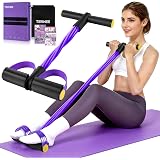
Have you ever felt frustrated, spending countless hours doing crunches, only to see minimal changes around your midsection? It’s a common scenario for many women, believing that targeting one area with exercise will magically melt away fat. However, the journey to a flatter stomach involves much more than just isolated ab workouts, as Sylvia Ferrero and Stephanie Prieto expertly demonstrate in the video above. This article will expand on their valuable insights, providing a comprehensive guide to help you effectively **lose belly fat with exercise** and holistic lifestyle choices.
While the video showcases an excellent core exercise, understanding the bigger picture of fat loss is crucial. Many fitness enthusiasts find themselves stuck, not realizing that spot reduction is a myth. Instead, a multi-faceted approach combining targeted exercises, cardiovascular activity, strength training, and sound nutrition is required for sustainable results. Let’s dive deeper into how you can effectively integrate these elements into your routine and achieve your fitness goals, focusing on practical, data-driven strategies.
Tackling Stubborn Belly Fat: Beyond Just Crunches
The quest to reduce belly fat is a top priority for countless individuals, particularly women, due to both aesthetic and health reasons. Visceral fat, the type of fat stored around your organs, is particularly concerning for health. Studies, such as those published by the Harvard T.H. Chan School of Public Health, consistently link excess abdominal fat to increased risks of heart disease, type 2 diabetes, and certain cancers. However, traditional approaches often miss the mark, solely focusing on abdominal exercises without addressing broader lifestyle factors. This article aims to clarify these misconceptions and empower you with actionable strategies.
The journey to reducing abdominal fat is a comprehensive one, integrating various pillars of health. It involves a strategic blend of physical activity and mindful nutrition, moving beyond the idea of quick fixes. Instead of solely focusing on crunches, a balanced exercise regimen that includes both resistance training and cardiovascular workouts proves significantly more effective. This holistic perspective ensures not only a visible reduction in waistline but also profound improvements in overall well-being and long-term health. Understanding this broader context is the first step toward achieving lasting results.
Mastering the Leg-Extended Crunch for a Stronger Core
The leg-extended crunch, as demonstrated by Sylvia and Stephanie in the video, is an incredibly effective exercise for strengthening your abdominal muscles. Unlike traditional crunches, extending one leg adds an element of instability and requires greater core engagement. This variation challenges your lower abs and obliques more intensely, contributing to a more sculpted midsection. Performing this exercise correctly is paramount to maximizing its benefits and preventing any potential strain or injury. Focus on controlled movements rather than speed to truly engage the muscles.
This exercise is not only excellent for developing core strength but also for improving body awareness and control. Strengthening your core muscles provides numerous benefits beyond aesthetics, including better posture, reduced back pain, and improved balance. Furthermore, a strong core supports all other movements in your daily life and other workouts. Remember, a robust core is the foundation for almost every physical activity, making this exercise a valuable addition to any comprehensive workout plan. It’s a key component in a workout routine designed to **lose belly fat with exercise** effectively.
Step-by-Step Breakdown: Perfecting Your Form
Achieving optimal results from any exercise hinges on correct form, and the leg-extended crunch is no exception. Begin by lying on your back with one leg extended straight and the other bent at a 90-degree angle, ankle locked with toes pulled towards your face. Your hands should be placed gently behind your head, or crossed over your chest to prevent neck strain. Focus on tightening your abdominal muscles, slowly lifting your upper body towards your extended toe or shin, as demonstrated by Stephanie.
The key to this movement is its slow and deliberate execution; avoid using momentum to lift yourself. Exhale as you crunch up and inhale as you slowly lower back down to the starting position. Sylvia recommends anywhere from **ten to twenty repetitions** for each leg, depending on your current fitness level. If reaching your toe is too challenging, aim for your shin or knee, gradually increasing your range of motion as your strength improves. Consistency and proper technique will yield significant benefits for your abdominal muscles.
Progressing Your Core Workout: Holding the Crunch
Once you’ve mastered the basic leg-extended crunch, the video introduces a progression: holding the leg up throughout the movement. This variation significantly increases the intensity and demands greater sustained activation of your core muscles. Keeping the leg elevated challenges your lower abdominal muscles and hip flexors more dynamically, forcing them to work harder to stabilize your body. This advanced modification pushes your limits and helps to further develop endurance in your core, making it an excellent step forward in your fitness journey.
For this progression, your extended leg remains elevated at approximately a 90-degree angle, or slightly lower if needed for comfort and control. As you perform the crunch, your focus shifts to reaching towards your shoelaces or toes while maintaining the leg’s elevated position. This sustained tension is crucial for building muscular endurance and strength in your abdominal area. Aim for the same **10 to 20 repetitions** per leg, and consider adding this challenging version to your routine **one to two times a week** to see enhanced results. This approach helps build functional strength vital for overall stability.
The Science Behind Belly Fat Loss: Why Spot Reduction Doesn’t Work
One of the most persistent myths in fitness is the idea of “spot reduction”—that you can choose to burn fat from a specific area of your body by exercising that area. Sylvia briefly touches upon this misconception in the video, and it’s a critical point to understand for anyone trying to **lose belly fat with exercise**. The truth is, your body loses fat systemically, meaning it draws energy from fat stores across your entire body, not just from the muscles you’re working. This process is complex, involving various hormonal and metabolic signals.
Scientific consensus, supported by numerous studies including a 2013 review in the *Journal of Strength and Conditioning Research*, unequivocally states that spot reduction is not possible. For example, a study examining abdominal exercise found that participants performing extensive core workouts did not significantly reduce subcutaneous fat in their abdominal area compared to a control group. Instead, overall fat loss through a caloric deficit, combined with regular exercise, is what truly shrinks fat cells throughout your body. Focusing on overall health and fitness yields much greater and more sustainable results.
Integrating Cardio and Resistance Training for Optimal Results
While targeted core exercises are excellent for muscle development, they must be part of a broader strategy to effectively reduce overall body fat, including abdominal fat. The video correctly emphasizes the importance of incorporating both cardio and resistance training into your regimen. Cardiovascular exercise, often called “cardio,” plays a crucial role in burning calories and creating the energy deficit necessary for fat loss. However, its benefits extend far beyond just calorie expenditure, significantly impacting your metabolic health.
Resistance training, on the other hand, builds and preserves muscle mass, which is a key component in boosting your metabolism. More muscle means your body burns more calories at rest, making fat loss more efficient over time. Combining these two forms of exercise creates a powerful synergy for fat reduction and body recomposition. It ensures you’re not only burning calories during workouts but also enhancing your body’s ability to burn fat even when you’re inactive. This comprehensive approach is foundational to any successful strategy to **lose belly fat with exercise**.
The Power of Cardiovascular Exercise
Cardio encompasses any activity that elevates your heart rate for a sustained period, ranging from brisk walking to high-intensity interval training (HIIT). Regular cardiovascular exercise is vital for improving heart health, increasing stamina, and most importantly, burning a significant number of calories. For example, a 150-pound individual can burn approximately 250-400 calories in a 30-minute moderate intensity cardio session, depending on the activity.
Consistency is key; aiming for at least 150 minutes of moderate-intensity cardio or 75 minutes of vigorous-intensity cardio per week, as recommended by the American Heart Association, is a good starting point. Varying your cardio workouts—perhaps cycling one day, jogging the next, and swimming another—can keep your routine engaging and challenge different muscle groups. This variety also helps prevent plateaus, ensuring your body continues to adapt and burn fat efficiently. Integrating consistent cardio is non-negotiable for fat loss.
Building Muscle with Resistance Training
Often overlooked by those solely focused on losing weight, resistance training is an absolute game-changer for body composition and metabolism. It involves using weights, resistance bands, or your own body weight to challenge your muscles, leading to increased muscle mass. Muscle tissue is more metabolically active than fat tissue, meaning it burns more calories at rest. This increased resting metabolic rate is a powerful tool in your fat loss arsenal, helping you maintain a healthy weight long-term.
In addition to boosting metabolism, resistance training improves bone density, enhances strength, and sculpts your physique. Aim for **two to three full-body resistance training sessions per week**, focusing on compound movements like squats, deadlifts, presses, and rows. These exercises work multiple muscle groups simultaneously, maximizing calorie burn and muscle development. The addition of strength training is an indispensable component if you want to effectively **lose belly fat with exercise** and reshape your body.
Fueling Your Body: Nutrition and Hydration Strategies
No amount of exercise can fully compensate for an unhealthy diet. Sylvia wisely mentions the importance of eating healthy on a regular basis, and this cannot be overstated. Nutrition forms the bedrock of any successful fat loss strategy, providing the necessary fuel while creating a sustainable caloric deficit. Focusing on whole, unprocessed foods is crucial, as these provide essential nutrients without excess calories, unhealthy fats, or added sugars. A balanced diet supports energy levels and recovery from workouts.
Similarly, adequate hydration is a fundamental yet often underestimated aspect of overall health and fat loss. Water is involved in countless bodily functions, from metabolism to nutrient transport and temperature regulation. Neglecting proper hydration can slow your metabolism and even be mistaken for hunger, leading to unnecessary snacking. Therefore, prioritizing both a nutrient-dense diet and sufficient fluid intake is paramount for optimizing your efforts to **lose belly fat with exercise** and achieve holistic well-being.
Embracing a Balanced Diet
A truly effective diet for fat loss prioritizes whole foods: lean proteins, complex carbohydrates, and healthy fats. Lean proteins like chicken, fish, and legumes are essential for muscle repair and satiety, helping you feel full longer. Complex carbohydrates, found in whole grains, fruits, and vegetables, provide sustained energy for your workouts and daily activities. Healthy fats, from avocados, nuts, and olive oil, are crucial for hormone function and nutrient absorption.
Conversely, limiting highly processed foods, sugary drinks, and excessive saturated fats is critical. These items often contribute to inflammation and provide “empty” calories that hinder fat loss efforts. Focus on mindful eating, paying attention to portion sizes and your body’s hunger cues. Small, consistent dietary changes accumulate over time, leading to significant improvements in body composition and energy levels. It’s about sustainable habits, not restrictive diets, to achieve a healthy body.
The Critical Role of Hydration
Sylvia’s recommendation to drink “about half your weight in ounces” of fluids is an excellent guideline. For example, a 150-pound woman should aim for approximately 75 ounces (or about 2.2 liters) of water daily. However, factors like activity level, climate, and overall health can influence individual needs. Water aids in fat metabolism, helps transport nutrients to cells, and flushes out waste products from the body. Dehydration, even mild, can impair physical performance and contribute to fatigue.
Making water easily accessible throughout your day can greatly increase your intake. Carry a reusable water bottle, set reminders, or try adding slices of fruit to your water for flavor. Remember, while coffee and tea contribute to fluid intake, plain water remains the best choice for hydration. Proper hydration not only supports your workouts but also helps manage appetite and maintain healthy skin and organ function, making it an indispensable partner in your fat loss journey.
Crafting Your Personalized Belly Fat Loss Plan
Successfully reducing belly fat is a journey that requires consistency, patience, and a well-rounded strategy. By combining the effective core exercises demonstrated in the video with a comprehensive fitness regimen and mindful nutrition, you are well on your way to achieving your goals. Remember that the leg-extended crunch, performed **10-20 repetitions** for **1-2 times a week**, is a powerful tool for core strengthening. However, its true impact is amplified when coupled with other forms of exercise and healthy eating habits.
Integrating **150 minutes of moderate cardio** and **2-3 resistance training sessions per week** will significantly boost your metabolism and overall fat loss. Moreover, fueling your body with a balanced diet rich in whole foods and staying adequately hydrated, aiming for approximately **half your body weight in ounces of water daily**, are non-negotiable components. By adopting these sustainable practices, you’ll not only effectively **lose belly fat with exercise** but also cultivate a healthier, stronger you for the long term. This holistic approach ensures lasting results and improved well-being.
Your Belly Fat Burning Questions, Answered
Can I lose belly fat just by doing crunches?
No, the article explains that ‘spot reduction’ is a myth, meaning you cannot target fat loss from one specific area of your body with exercise alone.
What kinds of exercises should I do to lose belly fat?
To effectively lose belly fat, you should combine core exercises with both cardiovascular activity (cardio) and resistance training (strength training) for overall fat loss.
How important are diet and water for losing belly fat?
Diet and hydration are very important; you need to focus on eating whole, unprocessed foods and drink plenty of water to support your metabolism and overall fat loss.
What is a leg-extended crunch and how can it help?
The leg-extended crunch is an exercise that strengthens your abdominal muscles by adding instability, which helps build a stronger core for better posture and balance.